

Receiving your colonoscopy results can bring relief, curiosity, or concern depending on the findings, but understanding them is key to maintaining your digestive health. The procedure helps detect abnormalities like polyps, inflammation, or early signs of colorectal cancer that might otherwise go unnoticed. After undergoing a colonoscopy, your doctor will normally explain what the results mean and recommend appropriate follow-up actions, whether it’s a routine check-up or further testing. Knowing how to interpret these findings empowers you to make informed decisions about your health. This article breaks down what to expect after your colonoscopy and the steps that follow.
What Normal Results Mean
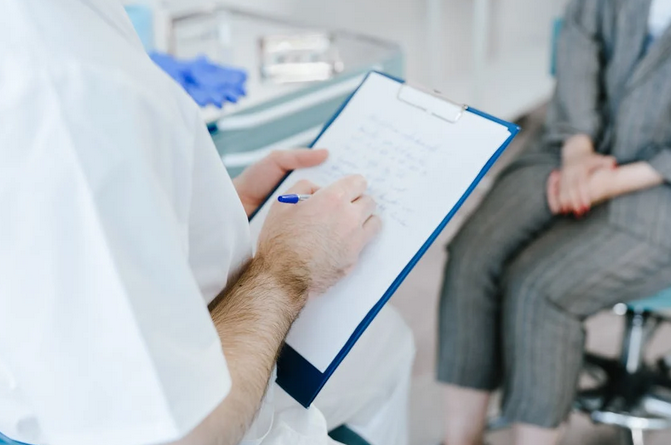
If your colonoscopy results are normal, that’s great news. It means your doctor didn’t find any abnormal growths, inflammation, or signs of bleeding. In most cases, this also means you won’t need another colonoscopy for ten years, assuming you don’t develop new symptoms or risk factors. A normal result indicates that your colon is healthy and that your screening successfully ruled out major issues. Your doctor may still offer general lifestyle advice, such as maintaining a balanced diet rich in fiber, staying hydrated, and exercising regularly to keep your digestive system working efficiently.
When Polyps Are Discovered
 Polyps are small tissue growths that form on the lining of your colon. Most are harmless, but some can develop into cancer over time. If your doctor found polyps during your colonoscopy, they were likely removed immediately and sent for further testing. The lab will determine whether the polyps are benign, precancerous, or cancerous. Based on those results, your doctor will recommend how soon you should return for another screening. In most cases, people with low-risk polyps will need a follow-up colonoscopy in five years, while those with high-risk or multiple polyps might need one sooner.
More About Biopsy Results
Sometimes, your doctor might take small tissue samples, called biopsies, even if no visible abnormalities are present. It helps detect microscopic changes that might not be visible during the procedure. Waiting for biopsy results can feel nerve-wracking, but it’s an important part of ensuring a thorough examination. Most biopsies come back normal or show minor inflammation that can be treated easily. If anything more serious is found, your doctor will discuss the results in detail and outline a treatment plan. Remember, early detection through colonoscopy is one of the best ways to manage and prevent more serious conditions.
What’s Next?

Once you receive your results, your doctor will recommend a screening schedule based on your findings and risk factors. If your colonoscopy was completely clear, you may not need another for a decade. If polyps or inflammation are detected, the timeline shortens to three to five years. For individuals with family histories of colon cancer or other gastrointestinal diseases, screenings might be recommended even sooner. Following your doctor’s advice closely helps you stay ahead of potential issues and ensures long-term digestive health.
Understanding your colonoscopy results doesn’t have to be confusing or stressful. A normal result is a green light for good health, while findings like polyps or mild inflammation simply mean closer monitoring in the future. Whether you need another colonoscopy in a few years or not for a decade, staying consistent with follow-ups is the best way to protect yourself. Discuss your results openly with your doctor, make lifestyle choices that support colon health, and approach your next screening with confidence. Prevention truly starts with knowledge, and every colonoscopy helps you stay one step ahead.